Creating a Powerful Brand Identity for Your Small Business
By Ralph Johnson, Founder
In today's competitive marketplace, a strong brand identity is no longer a luxury—it's a necessity, especially for small businesses. Your brand identity is more than just a logo; it's the sum of all the elements that represent your business and how customers perceive it. A well-crafted brand identity builds trust, fosters loyalty, and differentiates you from the competition. This comprehensive guide will walk you through the essential steps to create a compelling brand identity for your new small business, highlighting practical tips and common pitfalls to avoid.
1. Choose a Memorable Business Name
Your business name is often the first impression you make. It should be memorable, easy to pronounce and spell, and relevant to your industry and values. Brainstorm several options and test them out on potential customers.
Practical Steps:
- Brainstorm keywords: Think about your industry, products, and target audience.
- Keep it concise: Shorter names are often easier to remember.
- Check availability: Ensure the name is available as a domain name and social media handles.
- Get feedback: Ask others what they think of your name choices.
Common Mistakes to Avoid:
- Using overly complex or difficult-to-pronounce names.
- Choosing a name that is too generic or doesn't reflect your business.
- Forgetting to check if the name is already in use.
2. Design an Impactful Logo
Your logo is the visual cornerstone of your brand identity. It should be unique, timeless, versatile, and instantly recognizable. A professional logo can communicate your brand's personality and values at a glance.
Practical Steps:
- Understand your brand: Before designing, clearly define your brand values and target audience.
- Research competitors: See what works and what doesn't in your industry.
- Choose a style: Modern, classic, minimalist, playful – what best represents your brand?
- Work with a professional designer: Investing in a good designer will pay dividends.
- Ensure versatility: Your logo should look good in various sizes and across different mediums.
Common Mistakes to Avoid:
- Using clip art or generic templates.
- Overcomplicating the design.
- Not considering how the logo will look in black and white or on different backgrounds.
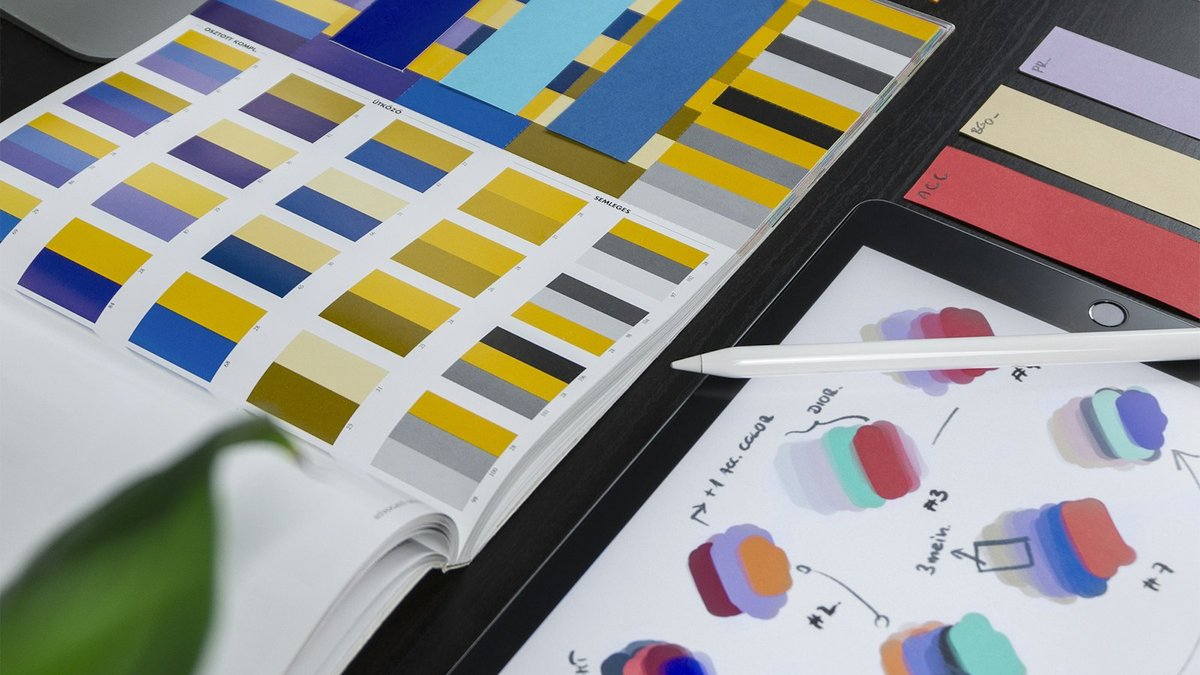
3. Select Brand Colors and Typography
Colors and fonts evoke emotions and communicate messages. A consistent color palette and typography reinforce your brand identity and improve readability.
Practical Steps:
- Understand color psychology: Research what different colors symbolize.
- Choose a primary and secondary palette: A cohesive set of 3-5 colors generally works well.
- Select 2-3 complementary fonts: One for headings, one for body text, and an optional accent font.
- Ensure legibility: Choose fonts that are easy to read across all platforms.
Common Mistakes to Avoid:
- Using too many colors, leading to a cluttered look.
- Choosing fonts that are difficult to read or don't match your brand's personality.
- Inconsistent use of colors and fonts across different materials.
4. Define Your Brand Voice and Tone
Your brand voice is the personality your brand takes on in written and spoken communication. It should be consistent across all your content, from website copy to social media posts and customer service interactions.
Practical Steps:
- Identify your brand personality: Are you formal, friendly, authoritative, playful?
- Create a style guide: Document your preferred language, tone, and grammar rules.
- Train your team: Ensure everyone communicating on behalf of your brand understands and uses the defined voice.
Common Mistakes to Avoid:
- Having an inconsistent brand voice.
- Using jargon that alienates your target audience.
- Not considering your audience when defining your voice.
5. Build a Consistent Visual Identity Across All Touchpoints
Consistency is key to building a strong brand identity. Every interaction a customer has with your business should reinforce your brand.
Practical Steps:
- Develop brand guidelines: A comprehensive document outlining logo usage, color palette, typography, imagery style, and brand voice.
- Apply consistently: Ensure your brand elements are used uniformly across your website, social media, marketing materials, packaging, and physical spaces.
- Review regularly: Periodically check that all your brand touchpoints are aligned with your guidelines.
Common Mistakes to Avoid:
- Inconsistent application of brand elements.
- Neglecting to update brand assets when necessary.
- Not having a clear brand style guide.
FAQ Section
What is the difference between branding and brand identity?
Branding is the overall process of creating a unique perception of your company in the minds of consumers. Brand identity, on the other hand, refers to the tangible elements that help create that perception, such as your logo, colors, fonts, and voice. Think of branding as the strategy, and brand identity as the execution of that strategy.
How long does it take to create a brand identity?
The timeline for creating a brand identity can vary significantly depending on the complexity of your business, your budget, and whether you work with external agencies or do it in-house. It can range from a few weeks for a very simple identity to several months for a comprehensive one. It's important to dedicate sufficient time to each step to ensure a strong and lasting outcome.
Can a small business change its brand identity later?
Yes, businesses can certainly refresh or rebrand their identity later on. This is often done when a business grows, shifts its target audience, or needs to adapt to market changes. However, it's a significant undertaking and should be approached strategically to avoid losing existing brand recognition and customer loyalty. Starting with a strong foundation minimizes the need for drastic changes down the line.
Why is a consistent brand identity so important?
Consistency in brand identity builds trust and recognition. When customers encounter your brand across different platforms and touchpoints, and it always looks, sounds, and feels the same, it creates a sense of reliability and professionalism. This consistency helps solidify your brand in their minds, making it easier to recall and choose your business over competitors.
What if I have a limited budget for branding?
Even with a limited budget, you can still create a strong brand identity. Focus on the core elements first: a memorable name, a simple but effective logo (even if it's a text-based one initially), a clear brand voice, and consistent application across your most important channels (e.g., website, social media). There are many online tools and resources available for aspiring entrepreneurs to get started, and you can always invest more in professional design as your business grows.
Should I use AI tools for logo design and branding?
AI tools can be a helpful starting point for generating ideas and exploring different design options, especially if you have a limited budget. However, for a truly unique and professionally crafted brand identity, consulting with an experienced human designer is generally recommended. AI tools might lack the nuanced understanding of your specific business, target audience, and market trends that a human designer can bring to the table.
About NewBiz Team
The NewBiz Marketing team helps entrepreneurs launch and grow their businesses with proven digital marketing strategies.